Pool Fence Requirements in Memphis, TN: What Homeowners Must Know
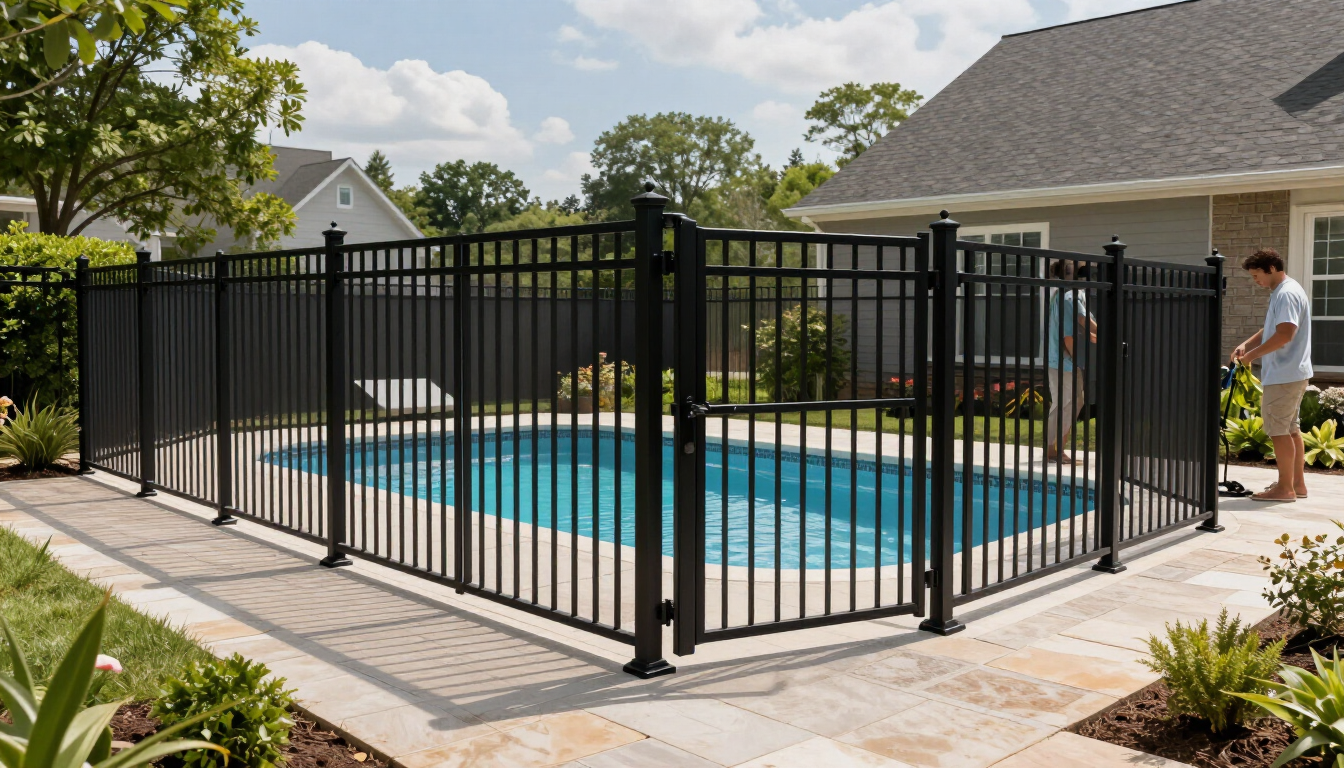
In Memphis, pool fences are generally required to be at least 48 inches tall, fully enclosed, and equipped with self-closing, self-latching gates to prevent unsupervised access—especially by children. These requirements are based on widely adopted safety standards and local building codes designed to reduce accidents and liability.
If you own a pool or plan to install one, understanding these rules is essential. A properly installed pool fence not only keeps you compliant with Memphis regulations but also protects your family, guests, and property.
Why Pool Fence Regulations Exist
Pool fencing laws are in place for one primary reason: safety.
Key Safety Concerns
- Preventing accidental drowning
- Restricting access to unsupervised children
- Reducing homeowner liability
- Ensuring safe property conditions
According to national safety data, drowning is one of the leading causes of accidental death for young children. Pool fences act as a critical barrier that significantly reduces this risk.
General Pool Fence Requirements in Memphis
While exact requirements can vary slightly depending on zoning and property type, most Memphis-area regulations follow widely accepted safety guidelines.
1. Minimum Fence Height
The standard requirement is:
- At least 48 inches (4 feet) tall
Some neighborhoods or HOAs may require fences to be 5 or 6 feet tall, especially for added privacy or safety.
Why Height Matters:
A taller fence makes it significantly harder for children to climb over and access the pool area.
2. Fully Enclosed Pool Area
Your pool must be completely surrounded by a barrier.
This means:
- No open sides or partial fencing
- Continuous enclosure around the entire pool
- No direct access points without proper gates or barriers
If your yard is fenced but the pool is accessible from the house, additional safety features may be required.
3. Self-Closing and Self-Latching Gates
All pool gates must meet strict safety standards.
Requirements Include:
- Gate must close automatically after opening
- Gate must latch securely without manual assistance
- Gate must open outward, away from the pool
- Latch should be located high enough to be out of reach of children
This ensures that even if someone forgets to close the gate, it will secure itself automatically.
4. Maximum Gap Openings
To prevent children from slipping through or getting stuck:
- Openings between pickets must be less than 4 inches
- Space between the ground and the bottom of the fence should be minimal
These measurements are designed to prevent small children from accessing the pool area.
5. Climb-Resistant Design
Your fence must not be easy to climb.
Avoid:
- Horizontal rails on the outside of the fence
- Decorative elements that can act as footholds
- Nearby objects like furniture or equipment placed near the fence
A climb-resistant design is a critical part of pool safety compliance.
Do You Need a Permit for a Pool Fence in Memphis?
Yes, in most cases, a permit is required.
When Permits Are Typically Needed
- Installing a new pool
- Building a new fence
- Replacing or modifying an existing fence
- Adding gates or structural features
Permits ensure your fence meets local safety and zoning codes. Skipping this step can result in fines, delays, or being required to redo the installation.
Can Your House Count as Part of the Pool Barrier?
In some cases, yes—but there are additional requirements.
If your home forms one side of the pool barrier, you may need:
- Alarms on doors leading to the pool
- Self-closing doors
- Additional safety measures like pool covers
This ensures that access from the home is still controlled and monitored.
Best Fence Materials for Pool Safety in Memphis
Choosing the right material ensures both compliance and long-term performance.
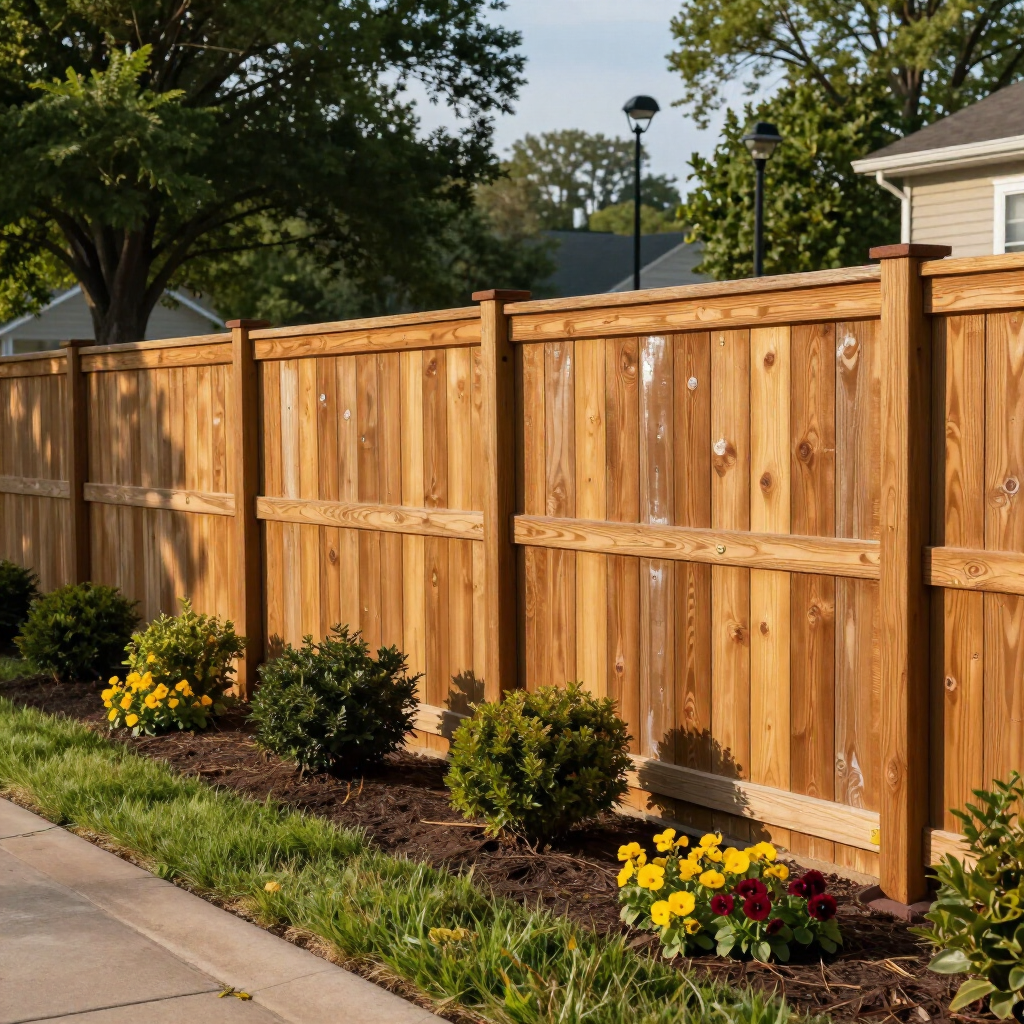
Wood Fencing
Pros:
- Excellent privacy
- Strong and customizable
- Matches residential aesthetics
Cons:
- Requires regular maintenance
- Can deteriorate in humid conditions if not properly treated
Wood is a popular choice for privacy-focused homeowners.
Vinyl Fencing
Pros:
- Low maintenance
- Resistant to moisture and rot
- Clean, consistent appearance
Cons:
- Higher upfront cost
Vinyl is ideal for homeowners who want durability with minimal upkeep.
Metal / Wrought Iron Fencing
Pros:
- Strong and long-lasting
- Elegant appearance
- Allows visibility into the pool area
Cons:
- Less privacy
- May require rust protection
This option is often used for front-facing or decorative pool areas.
Chain Link Fencing (Modified for Safety)
Pros:
- Affordable
- Quick installation
Cons:
- Must meet strict safety modifications
- Often requires privacy slats or upgrades
Chain link can be compliant but is less commonly used for residential pools unless modified.
Additional Pool Safety Features to Consider
Meeting minimum requirements is essential—but adding extra safety features provides even more protection.
Recommended Add-Ons
- Pool alarms
- Safety covers
- Lockable gates
- Motion sensors
- Security cameras
These features are especially important for households with children or frequent guests.
Common Mistakes Homeowners Make
Failing to meet pool fence requirements can lead to serious consequences.
Mistakes to Avoid
- Installing a fence that’s too short
- Using gates without self-latching mechanisms
- Leaving gaps larger than allowed
- Skipping permits
- Choosing climbable fence designs
- Failing to maintain the fence over time
Even small compliance issues can result in fines or required corrections.
Maintenance Is Required for Compliance
Installing a pool fence is not a one-time task—it requires ongoing maintenance.
Maintenance Checklist
- Test gate latches monthly
- Inspect for loose boards or panels
- Repair damage immediately
- Keep the area around the fence clear
A damaged or non-functioning gate can make your fence non-compliant.
How Pool Fencing Affects Home Value
A properly installed pool fence can improve your property’s value and appeal.
Benefits for Homeowners
- Increased buyer confidence
- Improved safety perception
- Compliance with local regulations
- Enhanced appearance of outdoor space
In Memphis, buyers often expect pools to be properly secured, making fencing a key feature.
FAQs About Pool Fence Requirements in Memphis
Is a fence required for all pools in Memphis?
Yes, most residential pools require a compliant barrier for safety.
What is the minimum height for a pool fence?
At least 48 inches, though some areas may require taller fences.
Do pool gates need to be self-closing?
Yes, self-closing and self-latching gates are required.
Can I install my own pool fence?
You can, but it must meet all local codes and pass inspections.
What happens if my pool fence is not compliant?
You may face fines, failed inspections, or be required to make corrections.
Protect Your Property with a Code-Compliant Pool Fence
Installing a pool fence in Memphis is not just about following regulations—it’s about protecting lives. A properly designed and installed fence reduces risk, ensures compliance, and gives homeowners peace of mind.
Express Fence Services has been serving the Greater Memphis area since 1990, providing professional fence installation for residential and commercial properties. Their experience ensures that pool fences meet local requirements while delivering durability and long-term performance.
If you’re planning a pool installation or upgrading your existing fence, working with a knowledgeable contractor ensures everything is done correctly from the start.
Recent Posts